

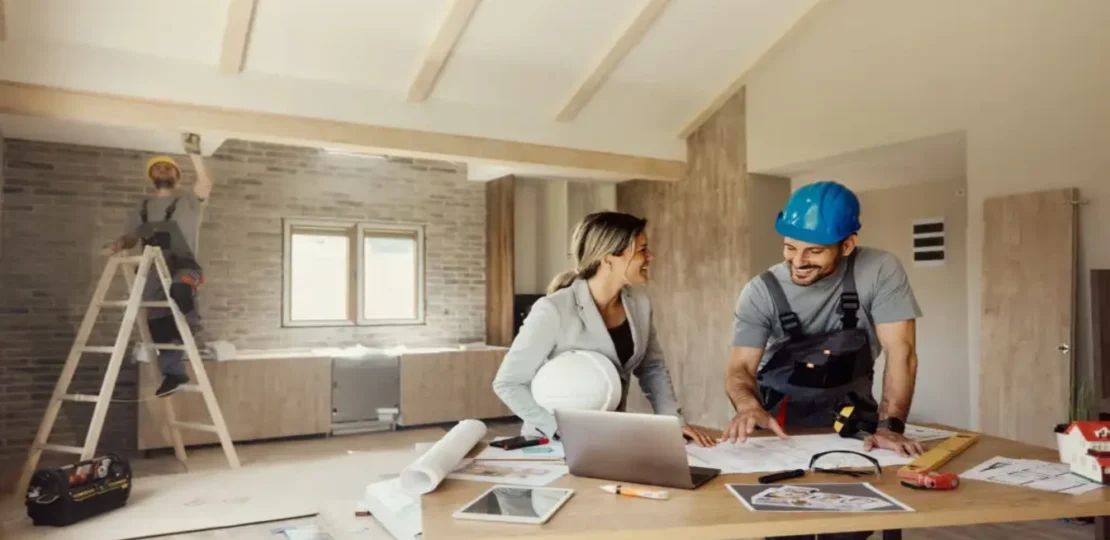
Texas has an ever-growing housing market, unique conditions of the climate, various municipal regulations, and lots of renovation activity. So before you pick out tile samples or scroll through Pinterest boards, it’s worth your while to understand what needs to happen first.
A confident way to prepare for your next home renovation in Texas involves considering these seven key things:
Ask yourself:
What is not working in the present space?
What are the structural changes needed?
What are the must-haves, and what are the “nice-to-haves”?
A detailed scope of work would keep you from making those mid-project decisions that cause delays and unexpected costs. Many owners are surprised to learn that project management methods, such as CPM or PERT-which construction experts use-can help map out timelines, and even reduce project duration by highlighting critical milestones.
A little planning now prevents chaos later.
2. Assess Structural Reality: Can Your Home Support the Changes?
A dream renovation is feasible only when the house itself can support it.
It could be an older home, constructed on Texas’s expanding clay soils, or subjected to high winds or shifting foundations; these need engineering adjustments before walls move or the load-bearing beams shift.
This is why structural assessments matter-especially in Texas.
Modern planning tools, such as BIM, even allow owners to digitally see the renovation before it’s built and verify safety, feasibility, and make smarter decisions.
3. Think Green: Renovate for Comfort, Efficiency, and Sustainability
A renovation isn’t just about beauty-a renovation is your opportunity to make your home more comfortable, energy-efficient, and environmentally responsible.
Some upgrades that make a measurable difference:
Better insulation (changing from R-19 to R-49 greatly enhances comfort)
High efficiency HVAC systems
Air sealing and better windows
Using eco-conscious materials and recycling construction waste where possible
With the Inflation Reduction Act and Infrastructure Investment incentives, Texas homeowners may even qualify for rebates or credits, especially when upgrading to high-efficiency or electric systems.
Renovations that work smarter, not just look better add value to last.
4. Know Your Numbers: Budget Realistically
Renovations cost money-and often more than homeowners first envision.
A smart budget includes:
Materials and labor
Permits
Engineering & design fees
Temporary accommodations (for extended work)
A contingency buffer (usually 10-20%)
Today, there are also very helpful funding programs, one-stop renovation support services, and even federal efficiency incentives that can apply, depending on your project.
Financial planning is not about constraining your project, it is about avoiding surprises.
5. Permits, Codes, and Compliance: The Unskippable Step
Texas may be friendly to building and development, but skirting permits is still dicey.
Here are potential results of unpermitted renovations:
Fines
Work-stop orders
Failed inspections
Issues in selling the house
Every city and county is different-and most HOAs have their own set of approvals to worry about. The key to a legal, smooth, and stress-free renovation is early compliance.
6. Protect Your Health and Comfort During the Remodel
It can definitely modernize your home for the longer run-but it may also disrupt everyday life for a while, especially when air quality, noise, or temporary loss of rooms are part of the work.
Studies have demonstrated that good renovations can greatly enhance comfort, reduce mold, and improve indoor air quality but, conversely, during construction itself, dust and noise can affect routines or even sleep.
You can safeguard your family’s comfort through planning temporary living adjustments and selecting healthy building materials.
7. Future-Proof Your Home: Smart Technology Counts
Contemporary renovations indeed now feature smart-home capabilities-from thermostats and lighting to security, sensors, and automation.
Consider adding:
Smart HVAC controls
Security and monitoring systems
Smart lighting
Leak and air quality sensors
Voice-assisted controls
Future-ready upgrades improve daily convenience, safety, and long-term home value. The one thing to remember: smart homes require cybersecurity planning, too.
A successful renovation is a lot more than just fresh paint or new countertops; it’s a strategic blend of planning, budgeting, design, engineering, and execution.
The time you take to prepare thoughtfully can help you avoid costly delays, unexpected challenges, and stressful surprises.
Renovating your home doesn’t have to feel overwhelming, with the right planning and the right partner.
At Nortex Construction, we believe great renovations start with informed decisions, transparent communication, and thoughtful execution. Whether you’re upgrading a single space or reimagining your entire home, our team helps you navigate every step with clarity and confidence.
Call us: (972) 737-3253
Visit: https://nortexconstruction.com
Let’s create a renovation roadmap tailored to your home and your goals. Your best home may already be there, it just needs the right transformation.
1. Why is planning so important before renovating?
Proper planning prevents delays, unexpected costs, and design compromises during construction.
2. Do I need permits for home renovations in Texas?
Yes. Most structural, electrical, and plumbing changes require city permits and inspections.
3. How much contingency should I budget?
A 10–20% contingency is recommended to cover unforeseen conditions.
4. Can renovations improve energy efficiency?
Absolutely. Insulation, HVAC upgrades, and windows significantly reduce energy costs.
5. Is it worth adding smart home features during renovation?
Yes. It’s more cost-effective to integrate smart systems during construction than after.
View all

November 19, 2025 | by Nortex Construction
December 19, 2025 | by Nortex Construction